What we've learned running cross-border support
Practical guides from the front line of customer experience: responsive support, difficult customers, returns, and more.
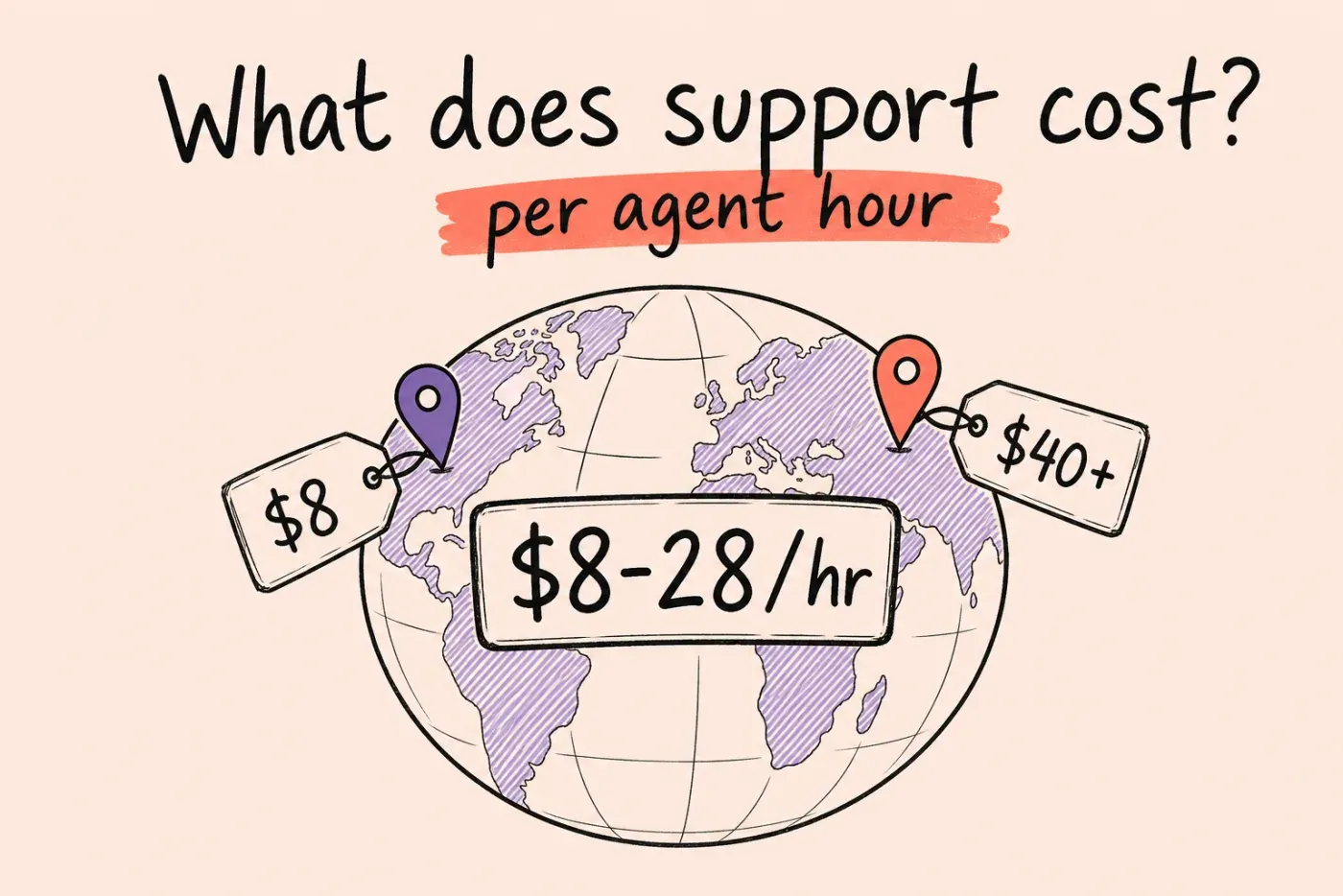
How much does ecommerce customer service outsourcing cost?
Most ecommerce brands pay $8–28 per agent hour for outsourced support: roughly $7–16 in the Philippines, $8–15 in Egypt and North Africa, $12–22 in Eastern Europe, $12–30 in nearshore Latin America, and $28–40+ in the US. A dedicated full-time agent typically runs $1,200–$4,000 per month.
Read the latest →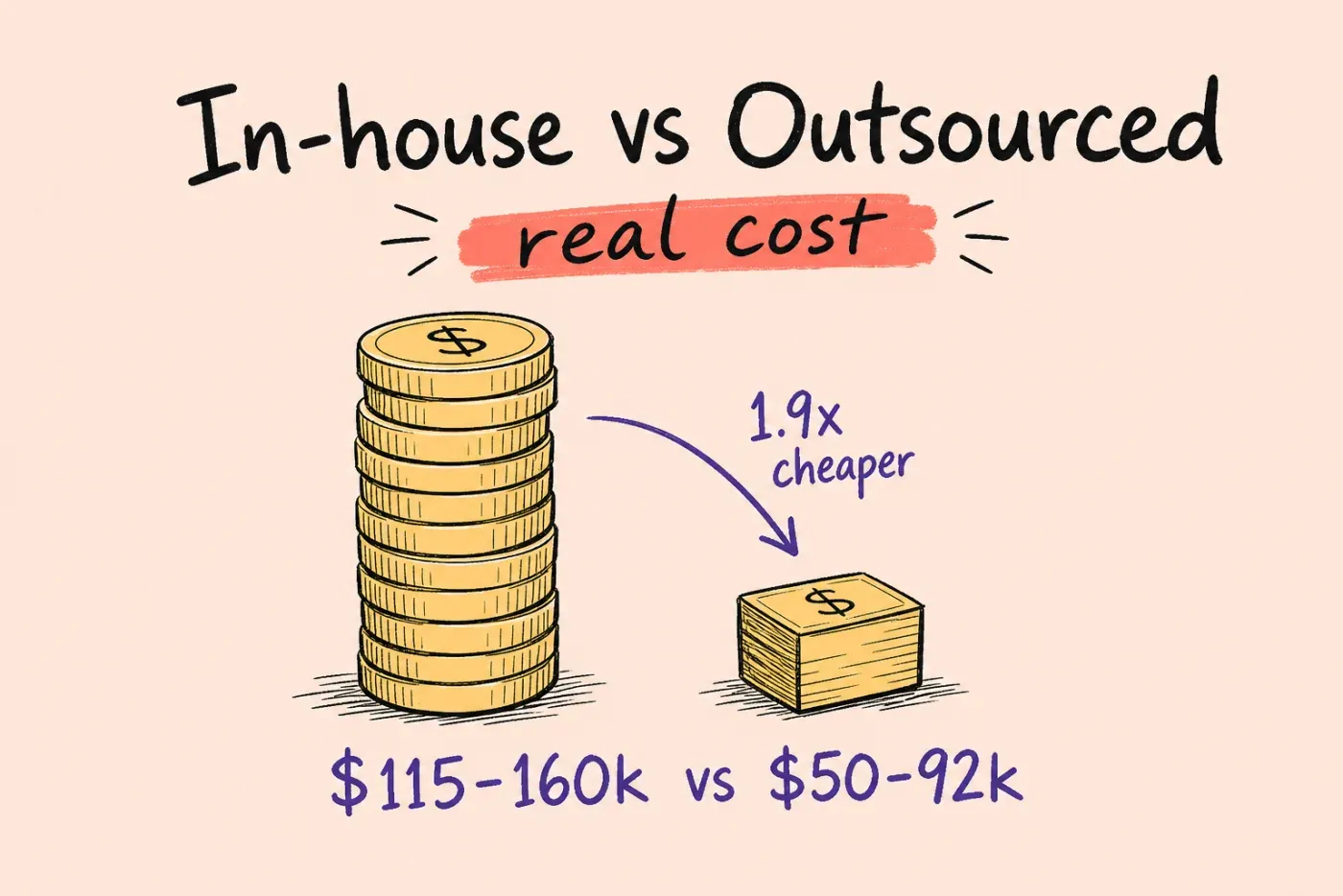
In-house vs outsourced customer support: a real cost breakdown
A US support rep costs 1.25-1.4x base salary once benefits, tools, hiring, and churn are counted. A two-agent in-house desk runs roughly $115,000-$160,000 a year; the same pair outsourced at published rates of $12-$22/hour runs about $50,000-$92,000. In-house still wins for early-stage teams and complex products.
Read →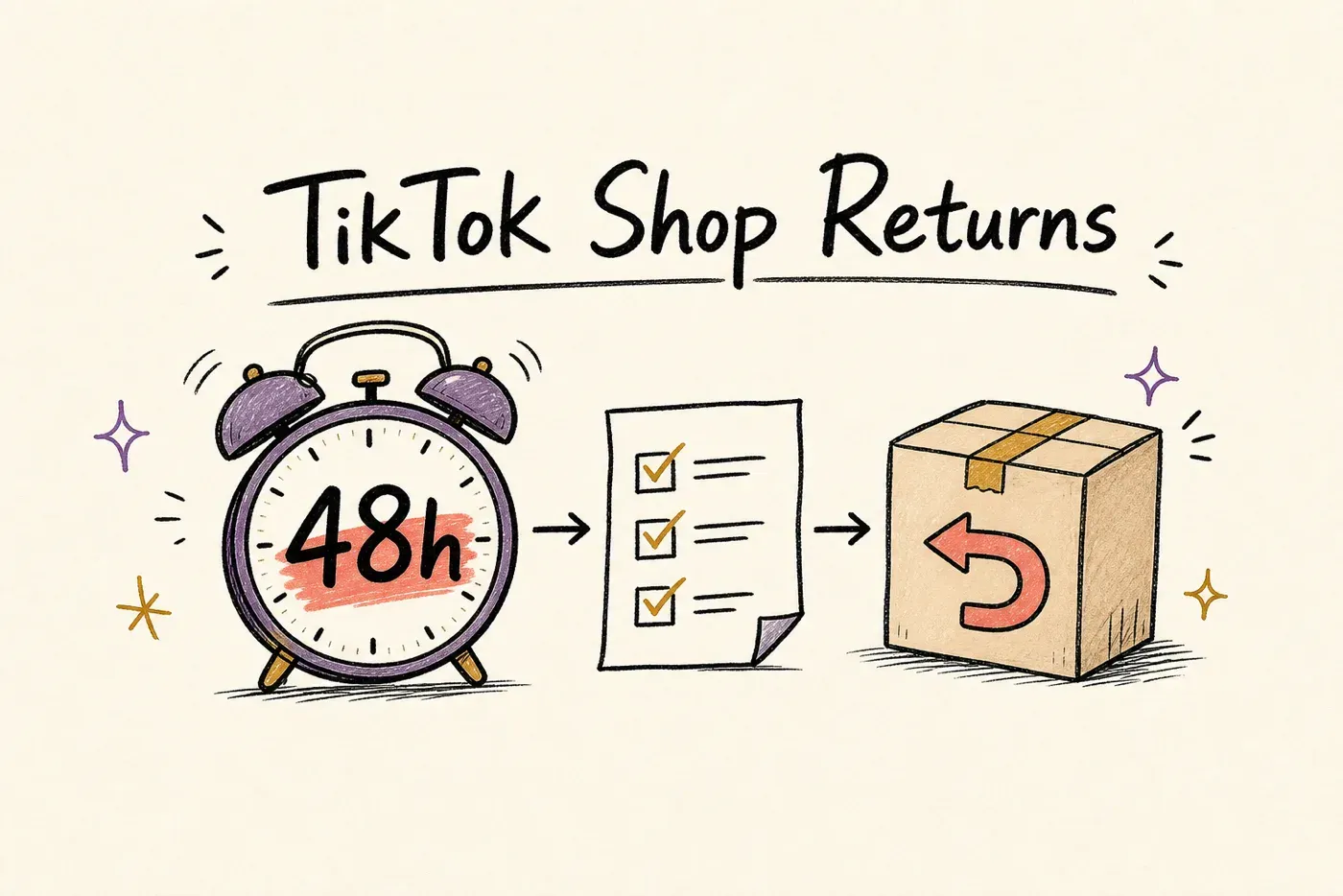
TikTok Shop Return Policy: A Seller's Guide
Buyers get 30 days from delivery to return most items for any reason. Sellers must respond within 48 hours or TikTok auto-approves the refund. Items $10 or under are refunded without a return. Sellers carry return shipping for buyer-fault and seller-fault reasons, and disputes require evidence within 24 hours.
Read →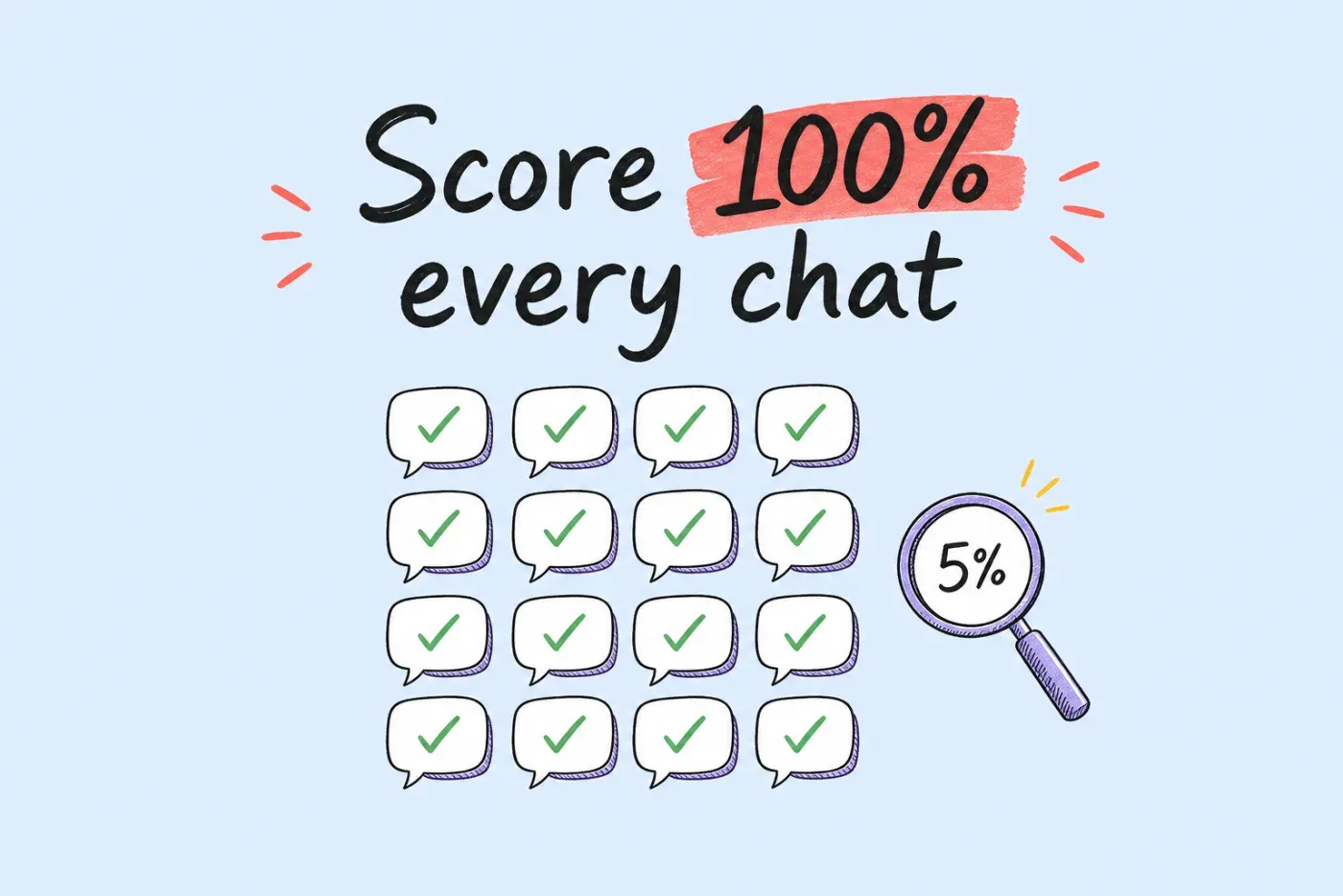
AI QA for support teams: scoring every conversation, not a sample
Traditional QA samples a few percent of conversations, so most problems are never seen. AI-assisted QA scores every conversation against the same rubric (accuracy, tone, SOP compliance, resolution) and flags the ones a human should review. Quality stops being a spot check and becomes full coverage.
Read →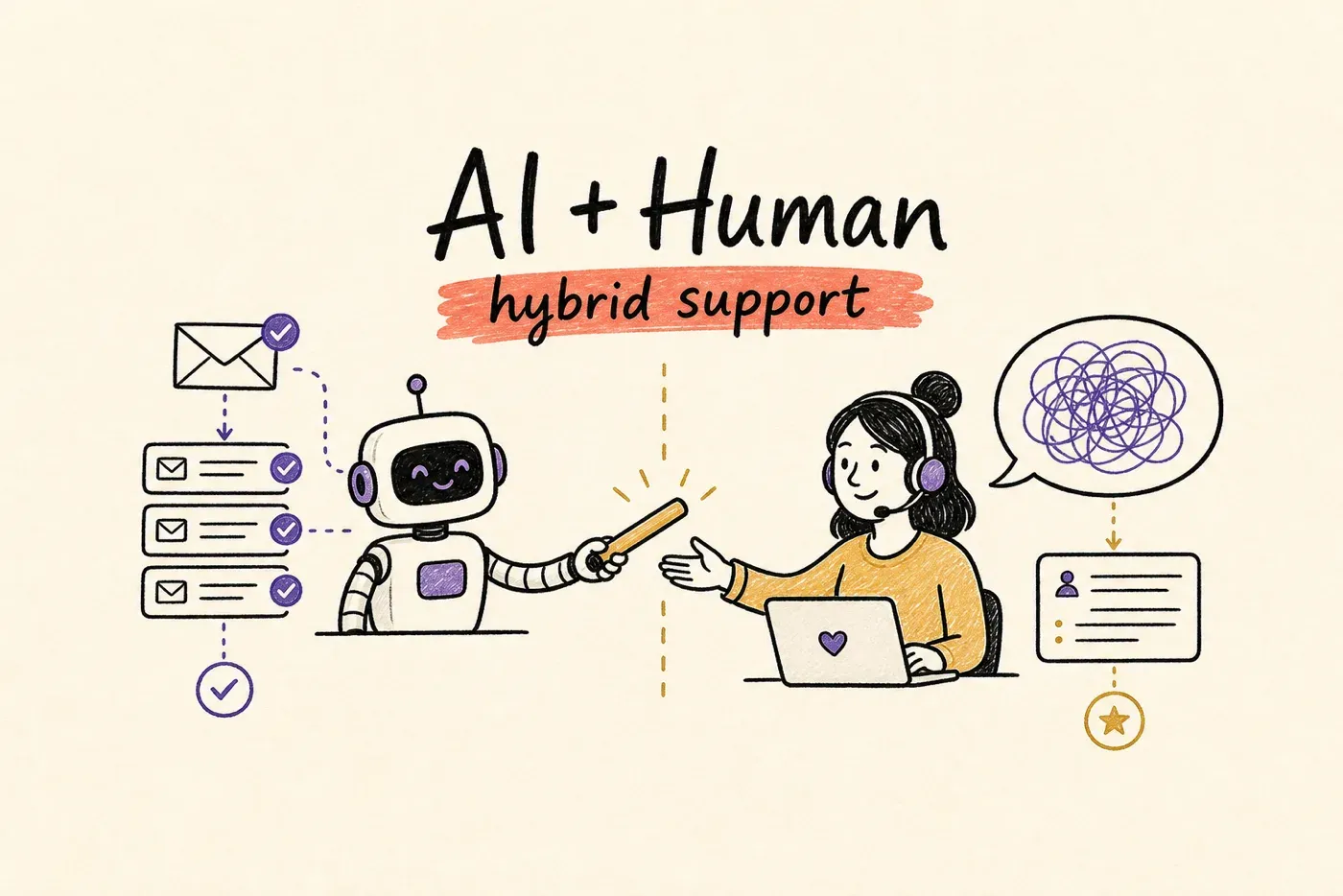
AI + human hybrid support: how the model actually works
A hybrid support model uses AI for the routine and repetitive (order status, simple how-tos, first-response drafting) and routes anything sensitive or ambiguous to a human. The point is not to replace agents but to spend their time only where judgment and empathy actually matter.
Read →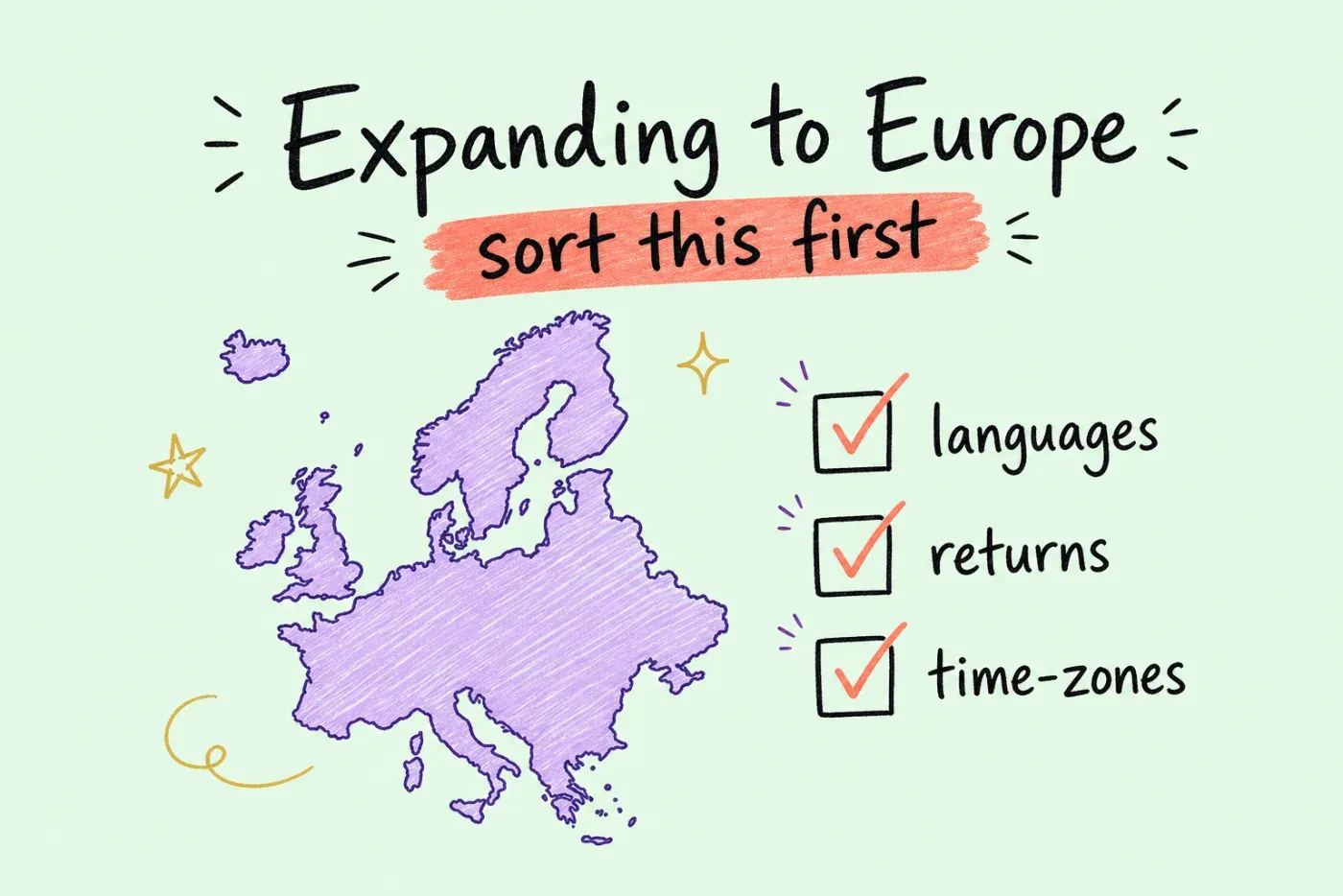
Expanding to Europe: a customer service checklist for ecommerce brands
Expanding into Europe breaks support in predictable ways: multiple languages, a legal right to return, country-specific expectations, and time zones your current team does not cover. Sort the language coverage, the 14-day withdrawal right, and localized return logistics before launch, not after the tickets arrive.
Read →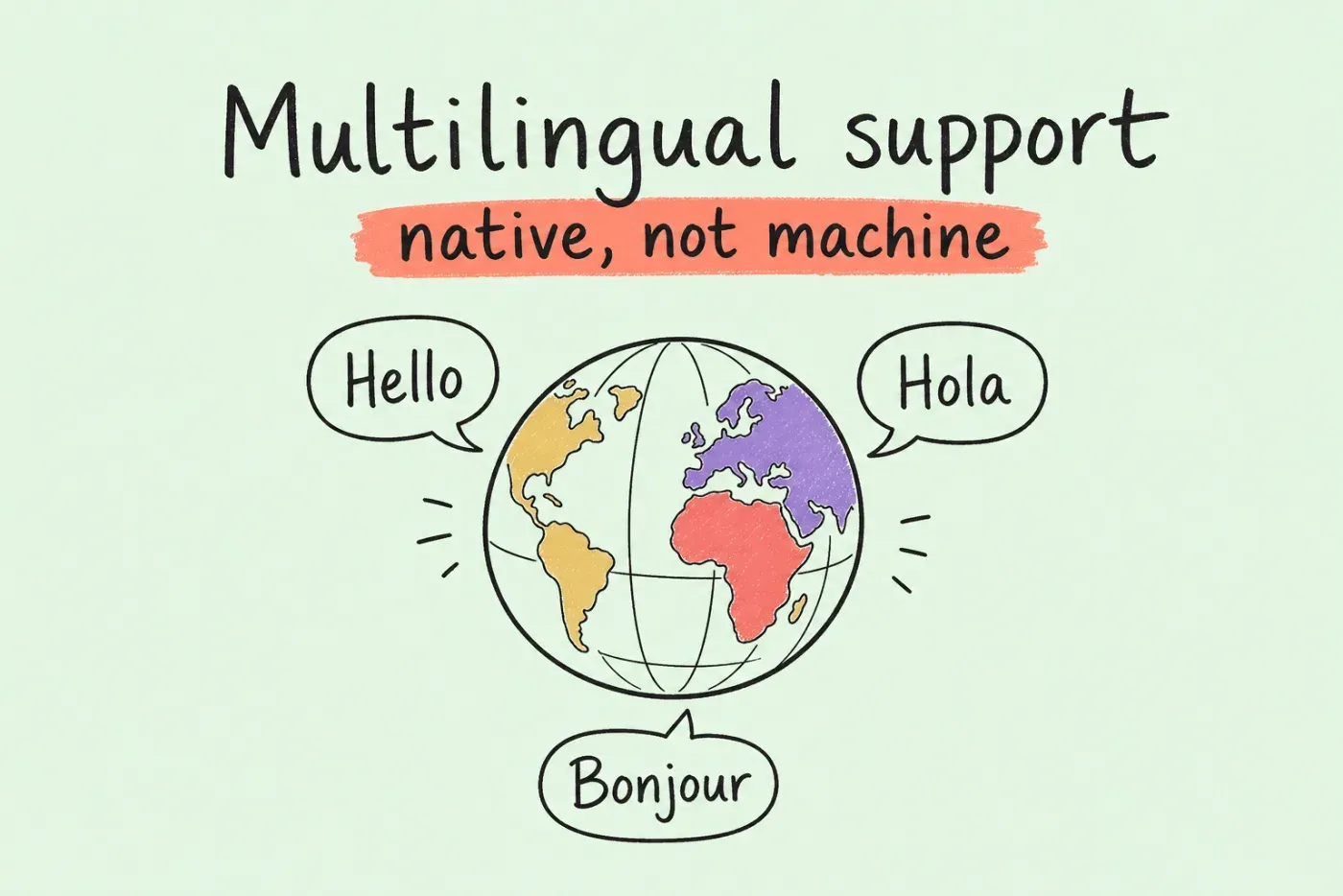
Multilingual customer support for DTC brands: a practical guide
Multilingual support means native-level answers in each market's language, not machine-translated replies. For most DTC brands the practical path is a small pool of native-speaking agents covering their top three or four languages, backed by one shared knowledge base (not in-house hires in every country).
Read →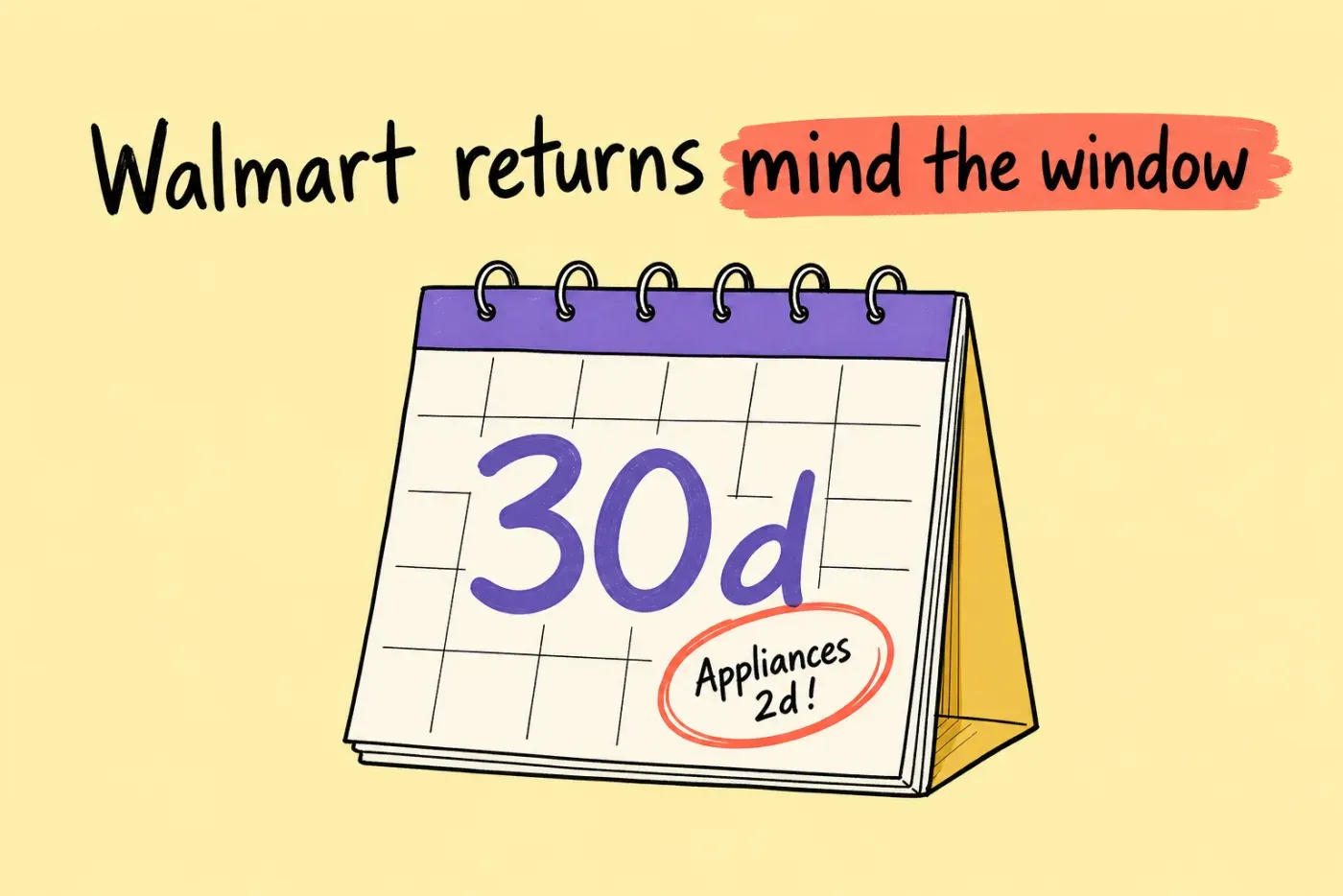
Walmart Marketplace Return Policy Essentials
Walmart Marketplace enforces strict return standards: set return windows, 48-hour refund processing, and limited restocking fees. Miss them and you risk account penalties, so align your support SLAs with Walmart's rules.
Read →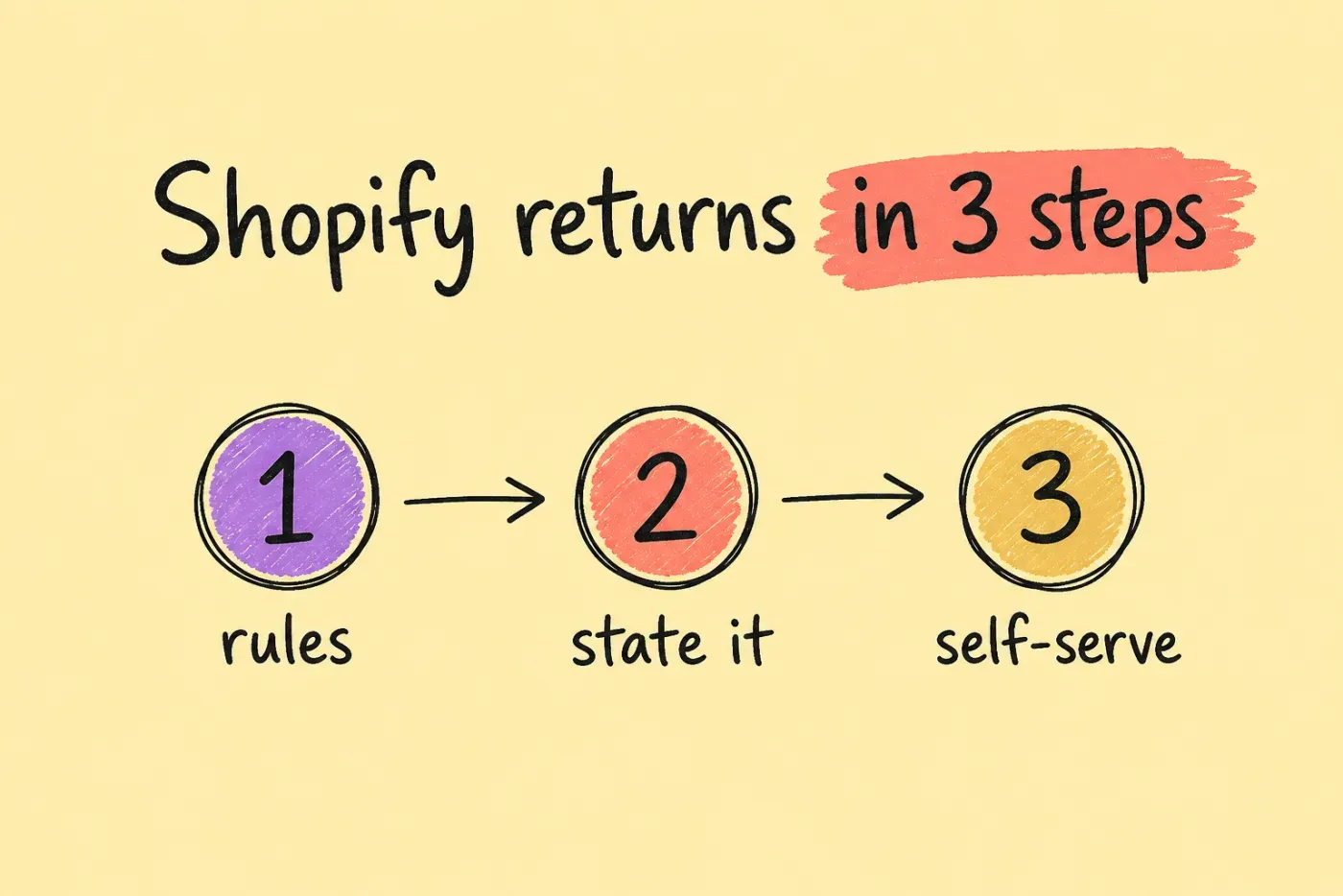
Shopify Return Policy Setup Guide
A clear Shopify return policy sets expectations before purchase and cuts disputes after. Configure your return window, return rules, and self-serve returns in Shopify admin, then state your terms plainly on product and checkout pages.
Read →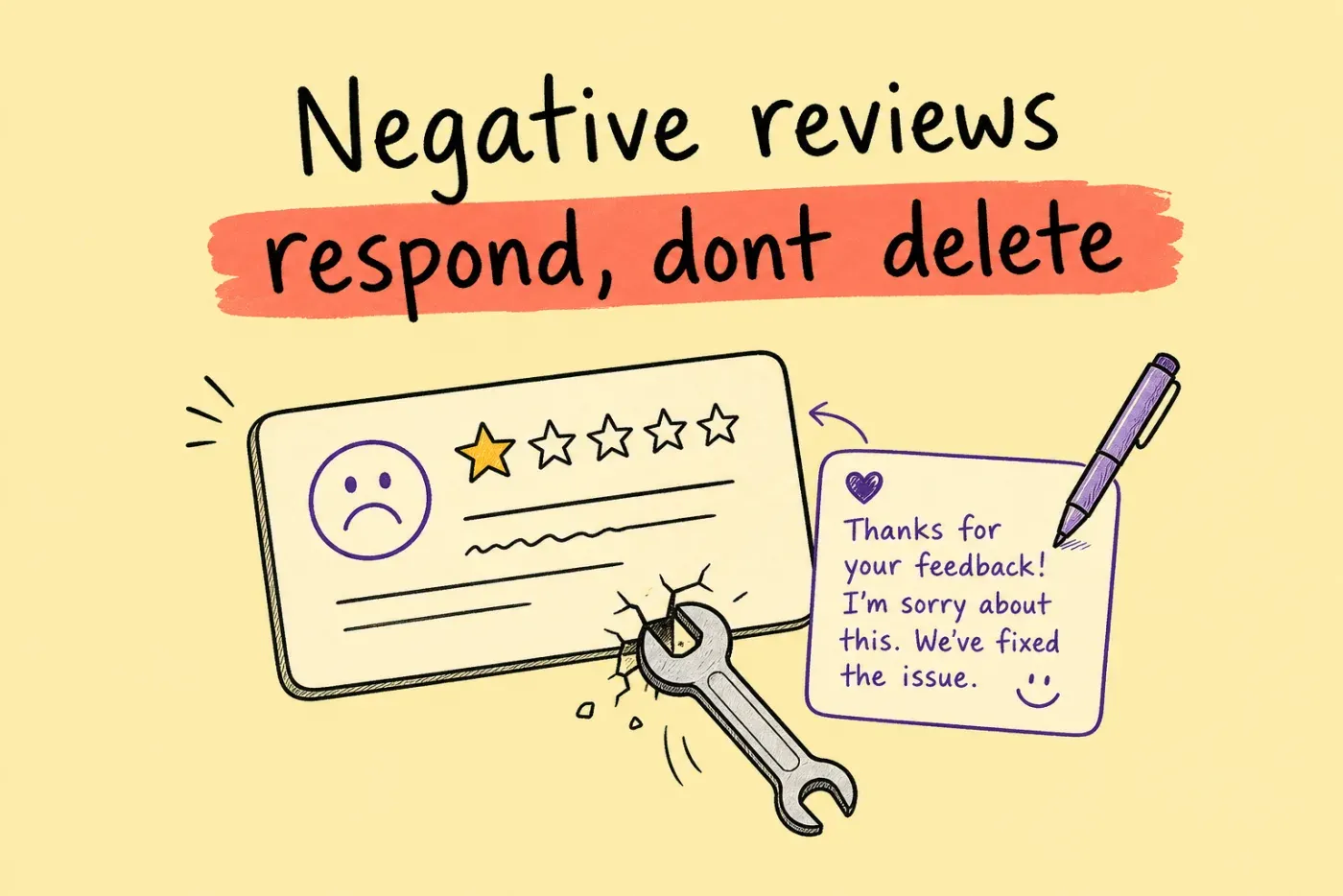
Amazon Negative Review Management Strategies
You can't pay for or delete honest negative reviews, but you can respond compliantly, fix the root cause, and reduce future ones. The fastest lever is proactive support that resolves issues before a buyer reaches for one star.
Read →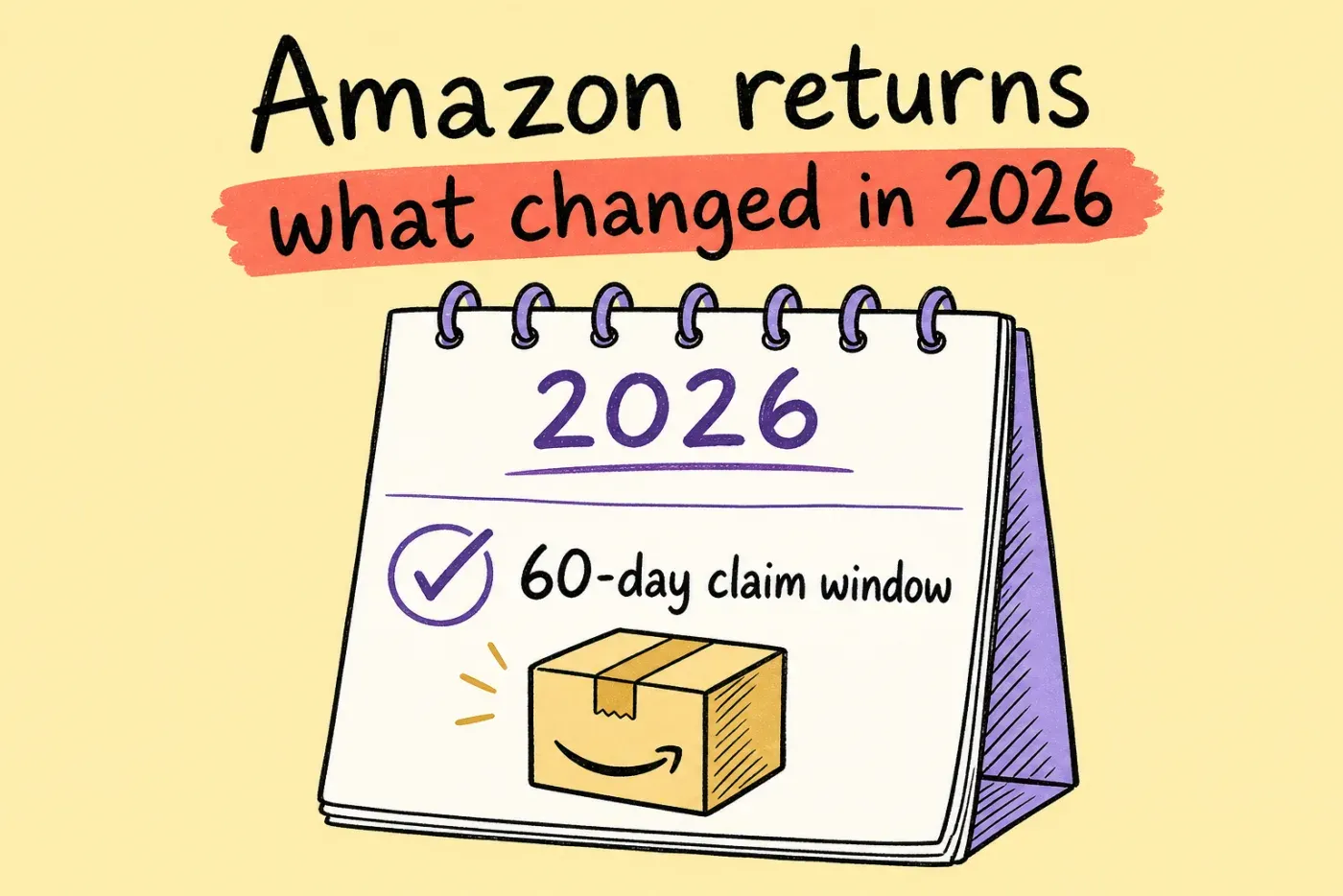
Amazon Return Policy Updates for Sellers (2025-2026)
Amazon's 2025–2026 changes hit FBA reimbursement rules, returns processing fees, and FBM refund timelines. Sellers should re-check their reimbursement claims and update refund SLAs now, or risk silent margin loss on every return.
Read →
Raising customer satisfaction for smart-home brands
Smart-home support is harder than traditional goods because the technology runs deeper and expectations run higher. Winning it takes product-trained agents, connectivity-aware troubleshooting, and firmware-aware follow-up.
Read →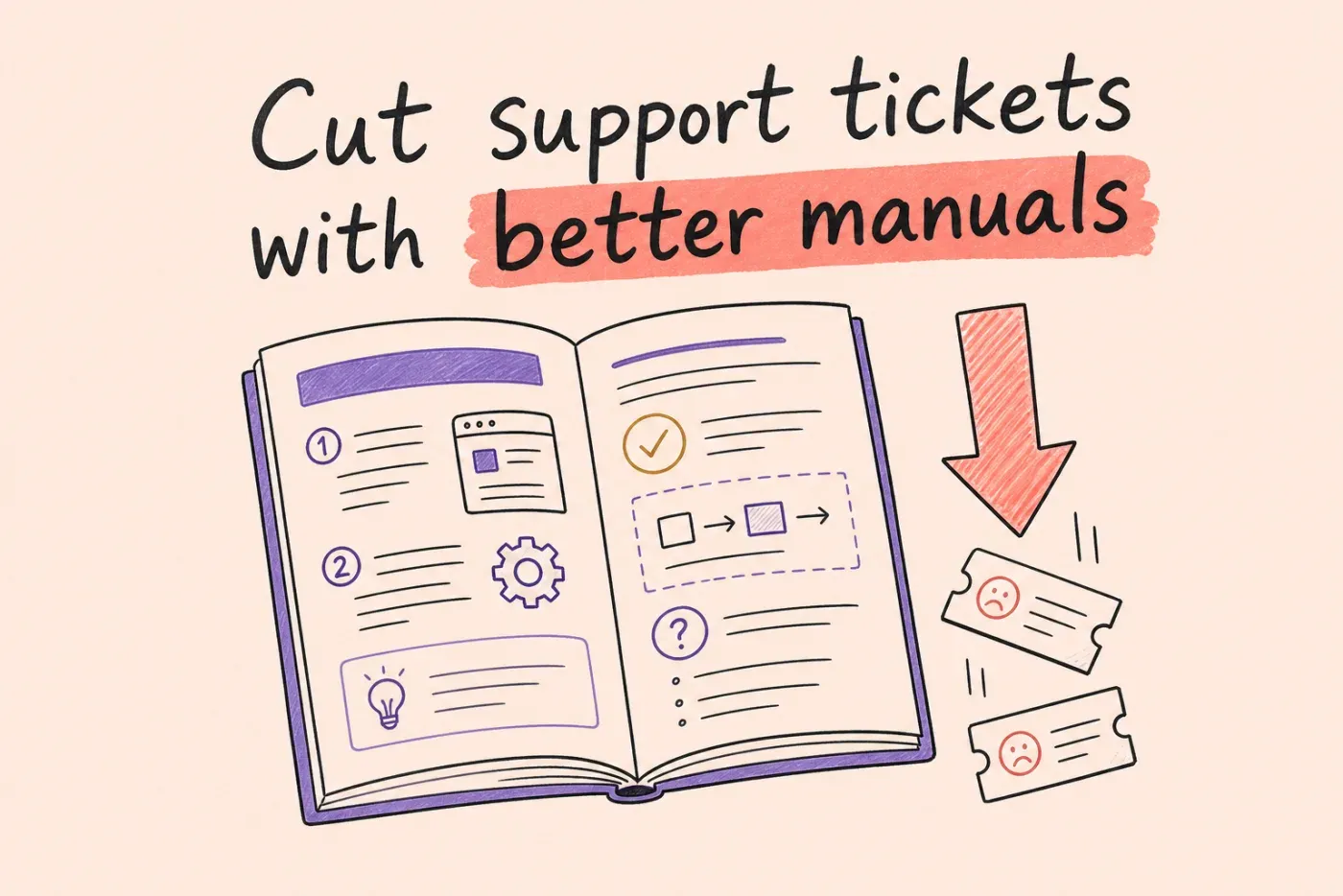
Product manual design: how to cut support tickets
A manual that cuts tickets answers the top real questions first, uses plain language and visuals, and is easy to find at the moment of confusion. Design it from your actual support tickets, not from the engineering spec.
Read →