Amazon Negative Review Management Strategies
You can't pay for or delete honest negative reviews, but you can respond compliantly, fix the root cause, and reduce future ones. The fastest lever is proactive support that resolves issues before a buyer reaches for one star.
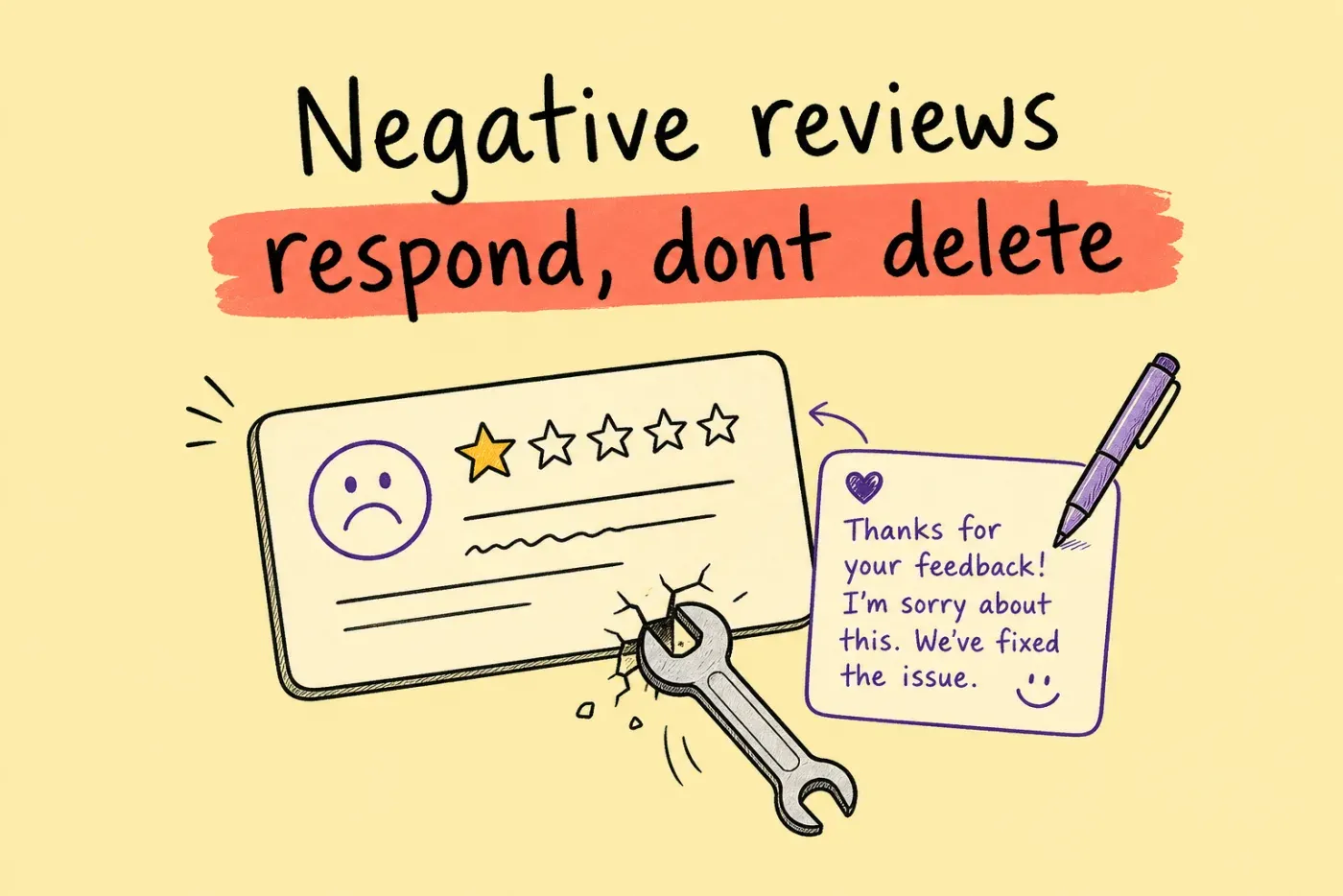
When a negative review lands, do three things: contact the buyer through Buyer-Seller Messaging to resolve the underlying problem, post a professional public reply if you can’t reach them, and fix the root cause so the complaint doesn’t repeat. What you can’t do is pay for, incentivize, or delete honest reviews. Amazon prohibits all of it. Ratings feed directly into search ranking and conversion, so this guide walks through where Amazon negative reviews come from and how to manage them without putting your account at risk.
1. Where Amazon Negative Reviews Come From
The first step is understanding the root cause. Based on our data analysis, negative reviews mainly come from:
1. Product Quality Issues (~35%)
Defects or not as described. This is the most common and hardest to fix. Improvements must start at the supply chain and product development level.
2. Logistics/Shipping (~25%)
Delays, damaged packaging, wrong items. Using FBA helps reduce this, but FBA inventory status must still be monitored.
3. Lack of Instructions (~20%)
Customers can’t use the product, don’t understand the manual, or face technical issues. These can often be avoided with quality support.
4. Unmet Expectations (~15%)
Over-embellished listings lead to disappointment. Honest product descriptions are the best prevention.
5. Personal Preference (~5%)
Purely subjective dislike. Hard to avoid, but the smallest category.
2. Response Strategies
⚠️ Important Warning
Amazon strictly prohibits inducing buyers to modify or remove reviews. Any form of incentive (refunds, gifts) can lead to account suspension. The following strategies are compliance-based.
Strategy 1: Fast Response, Proactive Communication
Contact the customer immediately via Buyer-Seller Messaging:
- Apologize sincerely and acknowledge the frustration.
- Ask for specifics so you understand what actually went wrong.
- Offer a concrete fix (replacement, tech support, a usage guide).
- Stay professional and friendly throughout.
“Many negative reviews start as unanswered requests for help. Answer quickly and you prevent a share of them outright.”
Strategy 2: Public Reply
If you can’t reach the customer, post a public reply. When replying:
- Apologize for the issue without getting defensive.
- Explain the corrective actions you’ve taken.
- Provide contact info (if allowed) or invite them to reach out.
- Remember that future shoppers read these replies: write for them.
Strategy 3: Continuous Optimization
Negative reviews are genuine feedback. Put them to work:
- Analyze reviews regularly for patterns.
- Feed recurring issues back to the product team.
- Improve manuals and packaging.
- Build an FAQ knowledge base so support resolves issues faster.
3. The Role of After-Sales Service
1. Quality Support
Solve problems before they become reviews. A support team buyers can actually reach defuses most frustration early. Recommendations:
- Send guides/FAQs post-shipping (via platform methods).
- Multi-channel support (Email, Phone, Chat).
- Ticket tracking to ensure resolution.
2. Reasonable Review Requests
Use the “Request a Review” button wisely:
- Choose customers with good interaction history.
- Request only after confirming satisfaction.
- Avoid requesting from potentially unhappy customers.
3. Insert Cards
Compliant insert cards guide customers to support first. Content should include:
- Clear support contact info.
- Usage tips.
- Warranty registration guide.
🛡️ Professional Review Management
Beyond handling day-to-day inquiries, a strong support operation can run proactive review management: monitoring, follow-ups, root cause analysis, and improvement suggestions to reduce negative reviews at the source.
4. Compliance Notes
Strictly avoid:
- ❌ Offering refunds/discounts for review changes.
- ❌ Using third-party brushing/deletion services.
- ❌ Incentivizing positive reviews in product packaging.
- ❌ Buying fake reviews.
Conclusion
Review management is a coordination job across product, ops, and support. The cheapest strategy is still prevention: a product that matches its listing, and support that answers before the buyer runs out of patience.